
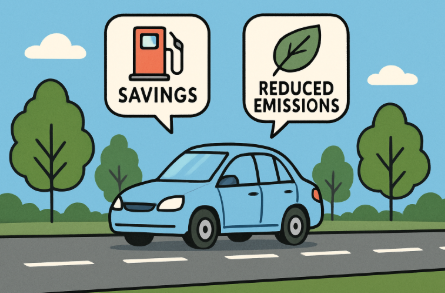

Saving money at the gas pump and supporting the environment starts with adopting simple, fuel-efficient driving habits. By making easy adjustments to how you drive and care for your vehicle, you can lower your fuel costs while also reducing air pollution. Implementing strategies that smooth out your driving style and improve vehicle performance are practical steps anyone can take. Learn more about efficient driving and its benefits to both your wallet and the planet.
Every driver can make small changes that have a huge cumulative impact over time. These changes not only result in personal savings but also support community health by reducing emissions and lessening our dependence on fossil fuels. With air quality topping the list of public health concerns, these practical tips are more important than ever. Making slight adjustments to vehicle use and route planning can lead to substantial improvements in fuel economy and a noticeable reduction in your carbon footprint.
Optimizing driving habits is not just for long-distance commuters. Even quick trips around the city can see vast improvements by integrating techniques that boost fuel economy. Whether you are a daily driver, a weekend traveler, or someone who uses their vehicle sporadically, adopting fuel-efficient habits will make a direct difference.
Accelerate Gently
One of the quickest ways to save fuel is by accelerating smoothly. Sudden, rapid acceleration can significantly increase fuel consumption. Instead, take about five seconds to gently accelerate up to 20 kilometers per hour from a stop. This method allows your engine to use only the fuel it needs, minimizing waste. Gentle acceleration also reduces the likelihood of sudden wear and tear on your vehicle’s components, saving you money on maintenance in the long run.
Maintain a Steady Speed
Maintaining a consistent speed helps your engine operate more efficiently. Studies from sources like the U.S. Department of Energy have shown that constantly changing your speed, especially between 75 and 85 km/h, can increase fuel consumption by as much as 20 percent. Cruise control is especially beneficial on the highway, as it helps you maintain a steady pace, making your trips more economical and less exhausting.
Observe Speed Limits
Speeding is not only risky—it is costly in terms of fuel usage. Most vehicles operate at peak efficiency at speeds between 50 and 80 km/h. At 120 km/h, a typical car uses about 20 percent more fuel than it would at 100 km/h. Keeping to posted speed limits is a straightforward way to reduce unnecessary fuel consumption, which also promotes safer roads for everyone.
Reduce Idling
Unnecessary idling is among the biggest fuel-wasters. Modern engines require very little fuel to restart, so if you anticipate being stopped for more than about a minute, it is more efficient to turn your engine off. Not only will this habit reduce your fuel use, but it will also cut harmful emissions, making the air cleaner for all. Idling for long periods also contributes to engine wear, so reducing idle time extends your vehicle’s life.
Lighten Your Vehicle’s Load
Excess weight in your car makes your engine work harder, increasing fuel consumption. Most drivers routinely carry unnecessary items, such as sports equipment, groceries, or tools, which add up over time. Removing heavy, unnecessary items can provide immediate fuel-efficiency benefits. Additionally, external carriers such as rooftop boxes increase aerodynamic drag, leading to as much as a 25 percent increase in fuel use at highway speeds. Remember to detach these carriers when not in use.
Regular Vehicle Maintenance
Staying on top of maintenance is crucial to fuel efficiency. Schedule regular tune-ups, oil changes using the recommended grade, and tire checks. Even a slight drop in tire pressure can lower fuel economy by about 3 percent. Keeping tires inflated to the manufacturer’s recommended pressure optimizes your car’s performance and ensures safer driving. A well-maintained vehicle is more efficient, reliable, and has a longer lifespan.
Plan Your Routes
Smart route planning can drastically reduce drive time, distance, and, consequently, fuel consumption. Consider consolidating errands to reduce the number of trips you make. Using navigation apps that provide real-time traffic updates can help you avoid congestion and choose routes with fewer stops and starts. This proactive approach means you spend less time commuting, save on gas, and minimize stress from traffic jams.
Use Cruise Control
On open highways, cruise control is an effective tool for keeping your speed consistent and fuel consumption low. However, make sure to use it safely, turning it off in heavy traffic, hilly terrain, or in hazardous weather conditions that require more attentive driving. By allowing your engine to deliver steady power, cruise control translates into smoother rides and fewer fill-ups at the pump.
Adopting these fuel-efficient driving habits is a win-win for your finances and for the environment. Over time, these small changes can make a significant difference, helping you save money and reduce your environmental impact.
