

Key Takeaways
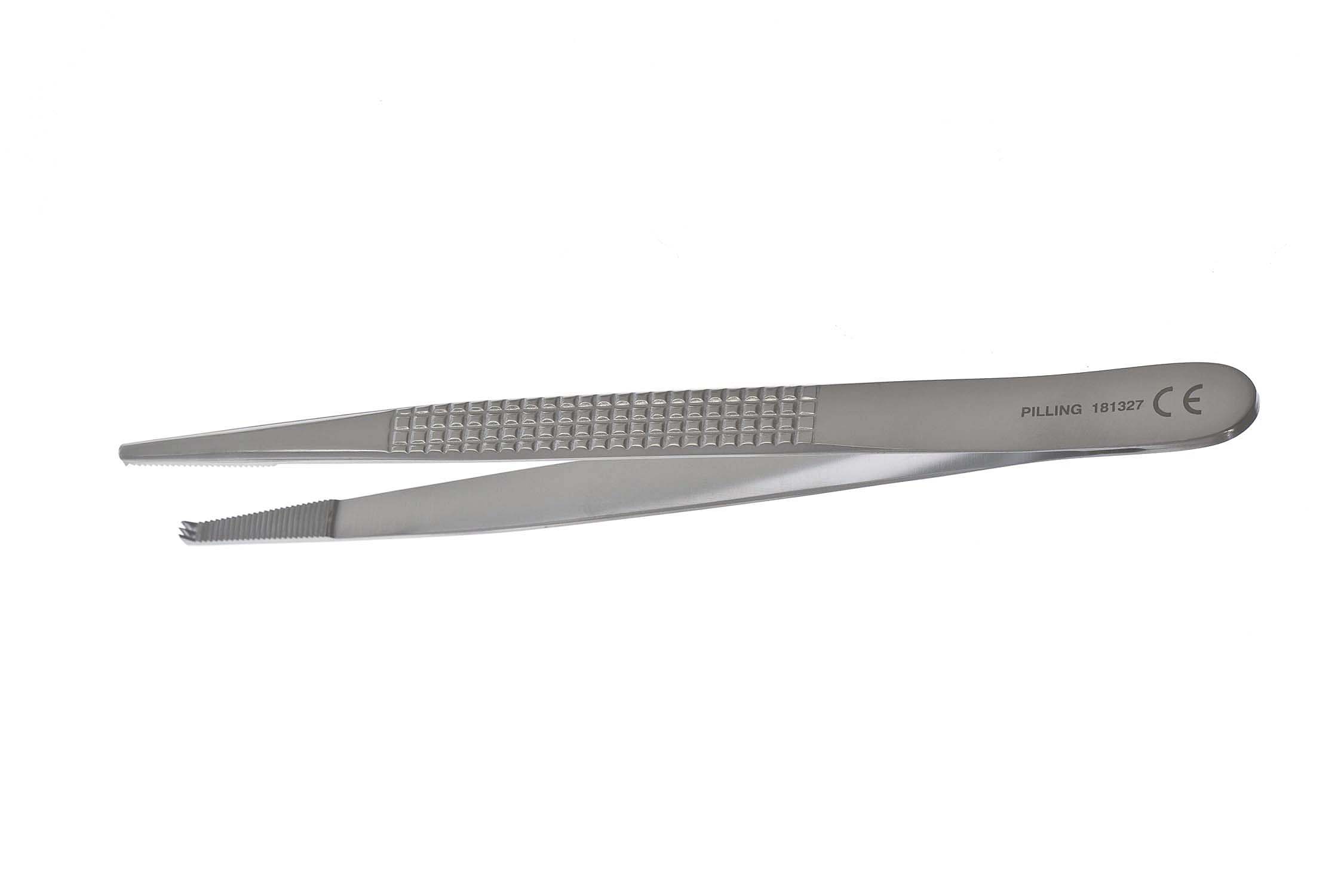
Bonney forceps are crafted with precision, featuring a 1×2 teeth pattern that provides enhanced grip and control during intricate surgical tasks while simultaneously alleviating wrist strain.
The ergonomic design enables surgeons to work for longer periods without discomfort, a crucial factor during lengthy and complex operations.
These forceps display versatility, finding common use in various specialties, including orthopedics, gynecology, and general surgery, which contributes to their popularity across different surgical applications.
Testimonials from users underscore the reliability and effectiveness of Bonney forceps, with many surgeons reporting better patient outcomes stemming from improved control during procedures.
With their distinctive 2500 jaw design, Bonney forceps feature a broader platform for grasping tissues, retracting structures, and suturing, thus enhancing their functionality in the operating room.
Maintaining these instruments is vital; immediate cleaning and regular inspections are necessary to ensure the longevity and reliability of Bonney forceps within surgical environments.
Future advancements for Bonney forceps may come from innovations in materials and designs, influenced by surgeon feedback and ongoing technological developments to cater to the evolving needs of surgery.
Why Surgeons Trust Bonney Forceps for Precision Work
The Anatomy of the Bonney Design: What Sets It Apart
Bonney forceps showcase a surgical design that elevates both grip and precision. With a length measuring 6.75 inches, these forceps are intentionally made for versatility across various surgical environments. The reliable 1×2 teeth pattern assists surgeons in delicate procedures. Each feature has been thoughtfully crafted using high-quality materials that withstand the demanding conditions of the operating room.
Surgeons frequently mention the ergonomic tension in the handle, designed to support control while maintaining comfort. This careful balance of form and function makes Bonney forceps a preferred choice in several medical disciplines.
In practical terms, the shape of these forceps enables optimized angles during complex maneuvers. It reduces wrist strain and boosts effectiveness during surgical tasks. The attention to detail certainly sets bonney forceps apart in an oversaturated market of surgical instruments.
Real-World Applications: Where Bonney Forceps Shine
The true strength of Bonney forceps lies in their adaptability. They excel in a variety of applications, particularly within surgical specialties like orthopedics, gynecology, and general surgery. Whether dissecting delicate tissues or handling heavier anatomical structures, these forceps consistently perform well.
Notable applications include:
- Orthopedic Procedures: These forceps are exceptional in soft tissue manipulation, aiding in the removal of bone fragments.
- Gynecological Surgeries: Effectively employed for tissue retraction and manipulation, they enhance visibility for the surgeon.
- General Surgical Operations: Ideal for grasping organs, blood vessels, and other structures during intricate procedures.
The multifunctional capabilities of Bonney forceps serve as a strong selling point. Many surgeons find that after employing these forceps in one surgical context, they discover new applications in others. This flexibility strongly contributes to their rising popularity.
User Testimonials: Surgeons Share Their Success Stories
“The ability to grasp and hold tissues firmly without causing trauma is crucial. Bonney forceps have never let me down on that front.” – Dr. Smith, General Surgeon
Surgeons who’ve utilized Bonney forceps often share their admiration for the design. Feedback indicates a high level of satisfaction with the tool’s performance. From experienced practitioners to newcomers, there is a unanimous praise for the reliability and effectiveness of this tool.
In conversations, surgeons focus on both the technical merits and the confidence these forceps bring during surgery. Reports of fewer complications lead to better patient outcomes, owing to the accurate control provided by these instruments. This reassurance is especially significant in high-stakes environments.
Maximizing Efficiency: The Grip and Control of Bonney Forceps
How the 1×2 Teeth Configuration Enhances Stability
Grip is paramount when it comes to surgical instruments. The 1×2 teeth configuration of Bonney forceps is far from just a design element; it’s an engineered feature that ensures a firm hold on tissues, minimizing slippage even under pressure.
The interlocking teeth create strong engagement, allowing for precise handling. Thus, surgical outcomes improve as surgeons can manipulate tissues with greater finesse. There’s no concern about losing grip during critical moments, letting surgeons focus completely on their procedure.
Ergonomics that Matter: Comfort During Extended Procedures
A surgical tool’s value often hinges on the comfort it delivers to its user. Bonney forceps excel in this aspect due to their ergonomic design. Users can maintain a firm grip during prolonged operations without the onset of undue fatigue. This ergonomic advantage is essential during intricate procedures requiring sustained concentration.
Surgeons recommend taking breaks when feasible, though the need is reduced with these forceps. Their intuitive grip seamlessly aligns with the surgeon’s hand, facilitating extended use without cramping or discomfort. Such a subtle yet impactful benefit enhances overall surgical performance.
Exploring the 2500 Jaw: Versatility in Action
The hallmark of Bonney forceps is their 2500 jaw design. This feature significantly broadens the versatility of the instrument, surpassing traditional forceps. It offers a wider platform for grasping and manipulating tissues, efficiently serving multiple surgical objectives.
- Grasping Tissue: Perfect for securely holding soft tissues during delicate operations.
- Retracting Structures: Provides superb support while ensuring unobstructed views of the surgical area.
- Inserting Sutures: The jaw’s stability plays a crucial role in facilitating delicate suture placement.
Each of these applications highlights the versatile nature of the 2500 jaw, affirming the indispensable role of these forceps in the operating room.
What to Expect When Using Bonney Forceps
Step-by-Step Guide: How to Master the Tool
Understanding how to use Bonney forceps can greatly streamline surgical efficiency. Below is a concise guide for those eager to master this instrument:
- Familiarize: Get to know the unique features, particularly the 1×2 teeth and 2500 jaw.
- Practice: Start in simulated environments or cadaver labs to refine skills without pressure.
- Apply: Engage in live surgeries under the mentorship of experienced professionals, gradually increasing the complexity of tasks.
Developing expertise with this instrument builds greater confidence. Ultimately, consistent practice ensures surgeons can wield Bonney forceps like seasoned experts.
Cleaning and Maintenance Tips for Longevity
Maintenance is crucial for any surgical instrument. To enhance longevity, professionals underscore the importance of a thorough cleaning routine. Bonney forceps require little upkeep, but implementing certain practices can extend their life significantly.
- Immediate Cleaning: Clean them after each use to avoid residue buildup and corrosion.
- Use Appropriate Solutions: Avoid harsh cleaning agents; opt for non-abrasive solutions instead.
- Regular Inspections: Periodically check for any signs of wear or damage.
Well-maintained instruments endure longer, providing a level of reliability that positively affects surgical performance.
Common Scenarios: Ideal Use Cases in Surgical Settings
What does using Bonney forceps look like in action? Various scenarios showcase their strengths:
- Complex Suturing: When closing incisions, the steady grip from Bonney forceps minimizes the likelihood of tissue damage.
- Instrumentation Support: In laparoscopic procedures, surgeons often utilize Bonney forceps to hold back organs and tissues, maintaining excellent visibility and access.
- Emergency Situations: In unpredictable contexts requiring quick interventions, rapid and precise handling is key. Bonney forceps truly excel in these instances.
Recognizing these scenarios equips surgeons to make prompt decisions, utilizing the advantages of Bonney forceps effectively.
The Future of Surgical Tools: Innovations in Bonney Forceps
The Evolution of Design: What’s Next for Bonney Forceps?
The design of surgical instruments isn’t static; it evolves in response to user experiences and technological advancements. Looking ahead, there are exciting opportunities for Bonney forceps, driven by the needs of surgeons. Innovations might involve materials with enhanced antibacterial properties or designs that enable even deeper tissue access.
What lies ahead? Potential collaborations between manufacturers and surgical professionals aim to produce instruments that truly reflect real-world demands. This ongoing evolution is essential for ensuring Bonney forceps maintain relevance in a rapidly shifting field.
Feedback Loop: How Surgeons Influence Product Development
The connection between optimal performance and product development is mutually beneficial. Surgeons don’t just employ Bonney forceps; they help shape their design through direct feedback to manufacturers. This ongoing dialogue encourages companies to invest in research and development.
Many manufacturers conduct focus groups, allowing surgeons to share their experiences. This input directly informs improvements and innovations, ensuring tools like Bonney forceps remain aligned with the tangible needs and challenges faced in operating rooms.
Industry Insights: Trends in Surgical Instrumentation
The surgical instrumentation field is experiencing significant transformations. High-tech innovations, such as smart tools featuring sensors, are beginning to emerge. These instruments can monitor and assess the force applied during procedures, offering real-time feedback to surgeons.
Professionals are increasingly attentive to this shift. Innovations powered by big data analysis and artificial intelligence could fundamentally change the landscape. It’s a race to incorporate technology into practice and achieve precision that enhances patient outcomes. Instruments like Bonney forceps are well-positioned to remain at the forefront of this revolution, heralding an exciting future for the medical field.
FAQ
What types of materials are used in Bonney forceps?
Typically, Bonney forceps are made from high-quality stainless steel, ensuring they are durable and resistant to corrosion. Some manufacturers may use advanced materials infused with antibacterial properties to enhance hygiene and promote surgical safety.
Can Bonney forceps be autoclaved for sterilization?
Yes, Bonney forceps are designed to endure high temperatures, making them suitable for autoclaving. Proper sterilization is vital for maintaining their performance and ensuring patient safety during surgical procedures.
How do Bonney forceps compare to other surgical forceps?
Bonney forceps stand out due to their distinctive 1×2 teeth configuration and ergonomic design. While other surgical forceps may have specialized applications, Bonney forceps excel in versatile settings, providing exceptional grip and control, which can lead to better surgical outcomes.
Are there specific training recommendations for using Bonney forceps effectively?
Surgeons tend to benefit from hands-on training in simulated environments to become proficient with Bonney forceps. Participating with experienced professionals during live procedures is also advised for acquiring practical tips and techniques for optimal effectiveness.
What makes the 2500 jaw design beneficial in surgical procedures?
The 2500 jaw design features a wider grasping surface, increasing stability and support during surgery. This allows for more efficient tissue handling, suture placement, and retraction, thereby enhancing overall performance.
How does the ergonomic design of Bonney forceps support longer surgeries?
The ergonomic structure of Bonney forceps fosters a natural grip that correlates with the surgeon’s hand, minimizing fatigue during extended operations. This comfort enables surgeons to maintain concentration on intricate tasks without straining their wrist or hand position.
What role does user feedback play in the ongoing development of Bonney forceps?
User feedback is crucial, as it helps manufacturers refine and innovate Bonney forceps. Insights from surgeons guide the future design, ensuring tools evolve to meet the current demands of surgical practice effectively.
How might digital innovations impact the future of surgical instruments like Bonney forceps?
Digital advancements, such as the development of smart surgical instruments, are likely to improve operating room performance. By integrating sensors for real-time feedback on force application, there’s potential for enhanced precision and patient safety, positioning tools like Bonney forceps as leaders in this evolution.
