
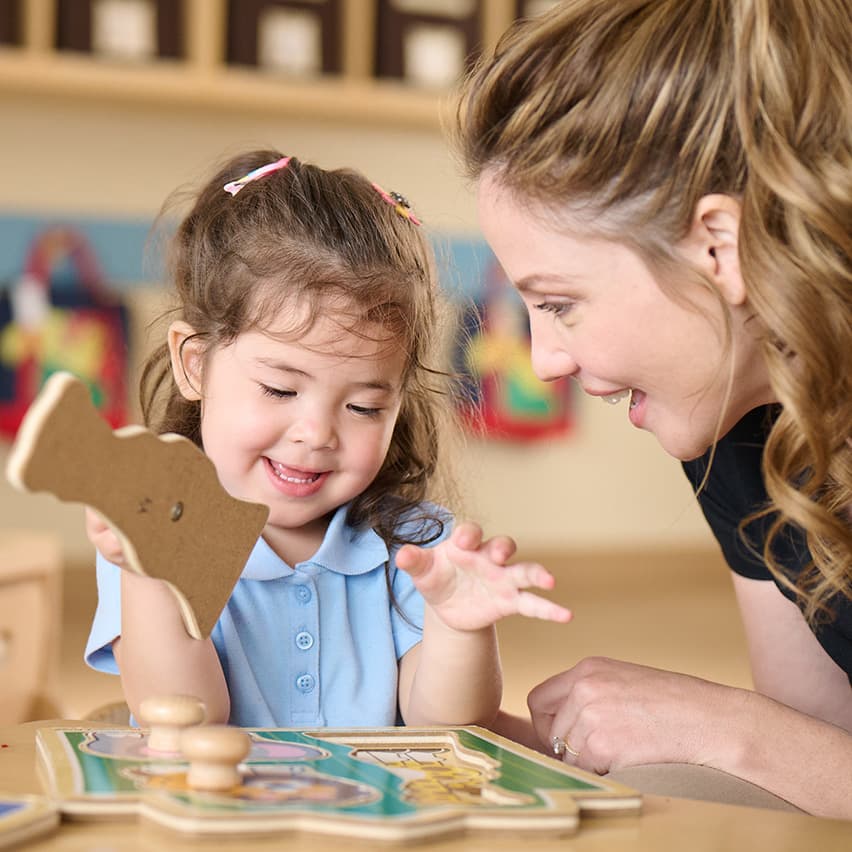

Choosing a preschool is one of the first major educational decisions parents make. In Willow Glen, where families value neighborhood connections, outdoor activities, and strong learning foundations, the search often involves more than finding a convenient location. Parents want to understand how young children learn, what makes a classroom developmentally appropriate, and whether their child is ready to take the next step beyond home or informal care.
A thoughtful approach begins with recognizing that preschool readiness is not a single milestone. It develops through everyday experiences, supportive relationships, and opportunities to explore the world with growing independence.
Understanding Early Childhood Education
Early childhood education introduces children to the social, emotional, physical, and cognitive skills that support later learning. For children between three and five, effective programs balance guided instruction with play, conversation, movement, and hands-on discovery.
At this age, learning rarely happens through worksheets alone. A child sorting blocks by color practices classification and problem-solving. Listening to a story builds vocabulary and attention. Taking turns during a group activity develops patience and cooperation.
These experiences help children understand how to participate in a learning community while maintaining their natural curiosity.
Why Play-Based Learning Matters
Play gives young children a practical way to test ideas and make sense of unfamiliar concepts. During pretend play, for example, children might run a grocery store, assign roles, count pretend money, and negotiate disagreements. A single activity can involve early mathematics, language development, creativity, and social problem-solving.
Structured activities also have a place in preschool. The most useful programs combine purposeful teacher guidance with enough flexibility for children to follow their interests. The balance matters: excessive direction can limit exploration, while an entirely unstructured environment may provide too little support for emerging skills.
Recognizing the Signs of Preschool Readiness
Children develop at different rates, so readiness should not be treated as a strict checklist. A child may be comfortable speaking with adults but need more time adjusting to group routines. Another may be independent with daily tasks yet feel anxious when separated from a parent.
Several indicators can help families assess whether a preschool setting is likely to be a good fit.
- Communication: The child can express basic needs, respond to simple directions, or use gestures and words to communicate.
- Growing independence: The child is beginning to manage tasks such as washing hands, putting away toys, or attempting to dress independently.
- Interest in other children: The child shows curiosity about peers and is beginning to practice sharing, turn-taking, or cooperative play.
- Ability to engage: The child can participate in a short activity with adult support, even if attention shifts frequently.
- Adjustment to routines: The child is gradually learning to move between activities and respond to predictable expectations.
Toileting, language proficiency, and separation comfort vary considerably among children. Parents should ask individual programs about their policies and available support rather than assume every child must demonstrate identical skills before enrollment.
Choosing a Preschool in Willow Glen
A classroom’s daily experience often reveals more than its brochure. When comparing a Preschool in Willow Glen, families should look beyond location and consider how teachers interact with children, how learning activities are organized, and how the program communicates with parents.
Evaluate Teachers and Classroom Culture
Observe whether educators speak respectfully, listen to children’s questions, and respond calmly when conflicts arise. Young children benefit from consistent boundaries paired with warmth. Teachers should guide behavior by explaining expectations, helping children identify feelings, and offering practical ways to resolve problems.
Ask how staff adapt activities for different developmental levels. A strong classroom allows one child to practice basic counting while another explores more advanced patterns without making either child feel inadequate.
Examine Safety, Routines, and Communication
A reliable program should have clear procedures for arrival, dismissal, supervision, illness, and emergencies. Parents should understand who is authorized to collect their child and how staff share information about injuries, behavior, or significant changes in routine.
Daily schedules deserve equal attention. Children generally benefit from a predictable rhythm that includes active play, quiet activities, meals or snacks, outdoor time, and rest when appropriate. Predictability helps children feel secure, although schedules should allow reasonable flexibility when a group needs additional time or a change of pace.
Preparing Your Child for the Transition
Families can build familiarity with preschool well before the first day. Talk about what a typical morning might involve, read picture books about starting school, and practice small routines such as putting shoes away or carrying a backpack.
If possible, visit the classroom together and let your child meet the teachers. Keep goodbyes warm and confident rather than prolonged. Some children settle quickly; others need several weeks to become comfortable. Consistent communication with educators can help parents distinguish ordinary adjustment from concerns that deserve additional attention.
Frequently Asked Questions
What age should a child start preschool?
Many children begin between ages three and four, but the appropriate timing depends on developmental needs, family circumstances, and program requirements.
Should children know letters and numbers before enrolling?
No. Familiarity with books, songs, counting, and conversation is helpful, but preschool is designed to introduce and develop foundational academic skills.
How can parents tell whether a preschool is effective?
Look for engaged children, responsive teachers, meaningful play, clear safety practices, and regular communication with families. Ask how the program supports social development as well as early literacy and mathematics.
Building a Strong Start
Preschool readiness grows through relationships, routines, and opportunities to practice new skills not through pressure to achieve milestones ahead of schedule. By observing their child’s needs, asking specific questions, and visiting classrooms carefully, Willow Glen parents can choose an early learning environment that supports confidence, curiosity, and steady development. With a thoughtful partnership between home and school, children can approach their first educational experiences with a stronger sense of security and belonging at Action Day Schools.
