
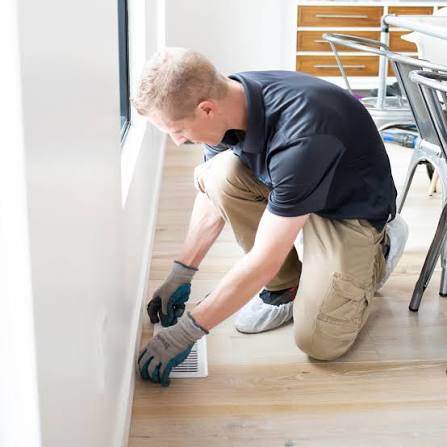

Dust does more than settle on shelves after a busy week. Fine particles can slip into HVAC equipment, collect around airflow paths, and move through the home whenever the system starts. Homeowners searching for HVAC cleaning near me usually want cleaner vents, but the deeper value comes from addressing dust where it hides inside the system.
How Dust Collects Around the Blower Assembly
Blower assemblies move conditioned air through the duct system, so dust near this area can spread quickly. Tiny particles may stick to the blower wheel, motor housing, and nearby cabinet surfaces as air passes through. Over time, this buildup can reduce airflow because the wheel no longer moves air as smoothly as it should.
Proper HVAC cleaning removes loose debris from these areas instead of letting the system keep circulating it. Careful cleaning around the blower also helps technicians spot worn parts, loose panels, or dirty access areas that may be adding to the problem. Nashville HVAC cleaning often focuses on this section because it sits at the center of the air movement process.
Why Return Air Sections Often Hold the Heaviest Buildup
Return air sections pull indoor air back toward the HVAC unit, which means they collect particles from daily living. Pet hair, lint, pollen, fabric fibers, and dust from flooring can gather inside return pathways before air reaches the filter. Dirty return areas may also make nearby grilles look dusty even after regular house cleaning.
Cleaner return sections help reduce the amount of loose material entering the system. A professional service can remove buildup from the return side while checking whether filter gaps or poor seals allow dust to bypass filtration. HVAC cleaning in Nashville TN becomes more effective when returns receive the same attention as supply ducts.
What Supply Duct Cleaning Does for Airflow Paths
Supply ducts carry heated or cooled air into each room, and dust inside these runs can travel with that airflow. Particles may settle along duct walls, seams, elbows, and branch lines where air changes direction. Once the system turns on, small amounts can break loose and appear around vents or on nearby furniture.
Thorough supply duct cleaning uses agitation tools and strong collection equipment to loosen and capture debris. This process helps clear the path between the HVAC unit and the living space. Families comparing Nashville HVAC cleaning providers should ask whether the service reaches full duct runs rather than only cleaning the visible vent openings.
How Vent Covers and Registers Trap Visible Dust
Vent covers catch dust because air moves through narrow louvers and edges. Grease from kitchens, humidity from bathrooms, and pet dander from living areas can make buildup stick even harder. Wiping the surface helps appearance, but it does not address dust collected behind the cover. Removed registers allow technicians to clean the metal or plastic cover and the duct opening behind it. This prevents loosened dust from blowing back into the room after the system starts again. HVAC cleaning should include these smaller details because they are the parts homeowners see first after service.
Why Filter Areas Need Careful Inspection
Filter slots often reveal why dust keeps entering the HVAC system. A filter that fits poorly, sits in a bent rack, or leaves gaps along the edge can allow unfiltered air to pass around it. That bypassed air carries particles straight into the equipment and ductwork.
Inspection around the filter area helps identify simple problems that cause repeated buildup. Better filter fit, clean access panels, and regular replacement schedules support the cleaning work after the appointment ends. Homeowners looking for HVAC cleaning near me should remember that dust control depends on both cleaning and prevention.
How Plenums Can Spread Dust Through Multiple Duct Runs
Plenums connect the HVAC unit to the duct network, making them major collection points. Dust that gathers in a plenum can move into several supply branches or return pathways because so much air flows through this chamber. Hidden buildup here may continue spreading particles even if nearby registers look clean.
Access matters when cleaning plenums. Technicians may need existing openings or proper access panels to reach these spaces safely. HVAC cleaning in Nashville TN should include a clear explanation of whether plenums can be inspected, cleaned, and sealed afterward if new access points are made.
What Cleaning Around Coils Can Reveal About System Health
Evaporator coil areas can collect dust when filters fail or return air leaks develop. Dust near the coil may affect cooling performance because the system depends on clean surface contact for heat transfer. Moisture around this area can also make particles cling tightly and create musty odors.
Coil inspection helps separate duct dust issues from HVAC maintenance concerns. A cleaning visit may show that the ductwork needs attention, while the coil needs a separate service from an HVAC technician. Nashville HVAC cleaning becomes more useful when homeowners receive honest information about what is dirty and what type of service each part requires.
Why Sealing Access Points Helps Keep Dust From Returning
Access openings may be needed for proper cleaning, but they must be closed correctly after the work. Loose panels, weak tape, or unsealed gaps can pull dust from attics, garages, crawlspaces, or utility rooms into the system. Poor closure can undo part of the cleaning benefit over time.
Mr B can help homeowners understand how HVAC cleaning addresses dust beyond the vent covers. For those comparing options for Nashville HVAC cleaning, Mr B offers helpful insight into the system areas that matter most, including returns, supply ducts, blower compartments, plenums, filter slots, and access points that influence long-term cleanliness.
