
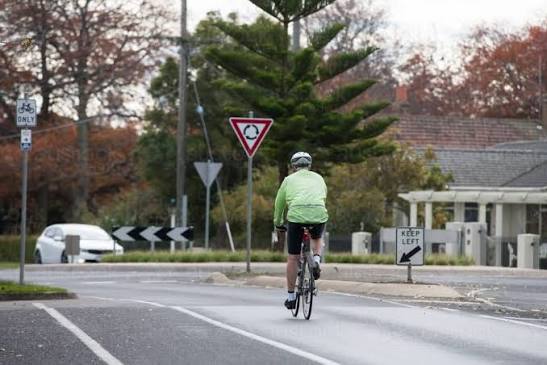

Three words often appear in bicycle accident reports: “I never saw them.” While that statement may sound simple, it can raise significant questions about driver attention, roadway awareness, and legal responsibility. Understanding what happens when a driver claims not to have seen a cyclist helps explain why these cases often require a detailed investigation.
Failing to See a Cyclist Does Not Automatically Remove Liability
Drivers have a responsibility to observe the roadway before making decisions that affect others. Claiming a cyclist was not visible does not automatically excuse actions that led to a collision. Courts and insurance companies often look beyond the statement itself to determine whether a reasonably attentive driver should have seen the rider.
Traffic laws generally require motorists to check their surroundings before turning, changing lanes, entering intersections, or pulling into traffic. A cyclist who was lawfully present may still have legal protections even if the driver insists they were unnoticed. A bicycle accident lawyer often examines whether the failure to see the cyclist resulted from negligence rather than unavoidable circumstances.
Visibility Conditions Become an Important Part of the Investigation
Lighting, weather, roadway design, and surrounding traffic can all affect visibility. Investigators frequently evaluate whether environmental conditions played a role in the collision and whether those conditions genuinely prevented a driver from seeing an approaching cyclist. Photographs, weather records, and scene inspections may help clarify what was visible at the time of the crash. Daylight conditions, functioning bicycle lights, reflective equipment, and unobstructed sightlines can weaken claims that a rider could not reasonably be seen. A bicycle accident lawyer in Huntsville AL may use this evidence to challenge visibility-related defenses.
Why Are Driver Distractions Examined So Closely?
Modern vehicles contain numerous potential distractions. Mobile phones, navigation systems, conversations, vehicle controls, and entertainment screens can divert attention from the roadway for several critical seconds. During that brief period, a cyclist may enter an area the driver should have been monitoring. Evidence of distraction can significantly influence how a claim is evaluated. Phone records, witness statements, and vehicle data sometimes reveal whether a driver was focused elsewhere before impact occurred. A personal injury attorney often investigates distraction issues whenever a motorist claims not to have seen a cyclist.
Intersection Design May Reveal What the Driver Should Have Seen
Roadway layouts can provide important clues about visibility. Intersections with long sight distances may give drivers ample opportunity to observe approaching cyclists, while more complex designs may require additional caution before proceeding. Traffic engineers and accident investigators sometimes analyze roadway geometry to determine whether a cyclist should have been visible. Lane markings, bike lanes, traffic signals, and signage can all influence how much opportunity a driver had to recognize a rider’s presence. These details often become important when liability is disputed.
Witness Testimony Can Challenge a Driver’s Account
Independent witnesses frequently provide valuable perspectives that differ from those involved in the crash. Pedestrians, nearby motorists, cyclists, and business owners may observe events that help clarify what happened before impact.
Statements from neutral observers can sometimes contradict claims that a cyclist was impossible to see. Testimony indicating that the rider was clearly visible may become persuasive evidence during settlement discussions or litigation. A Huntsville personal injury lawyer often reviews witness accounts carefully to identify inconsistencies.
How Does Bicycle Positioning Affect the Claim?
The location of the cyclist at the time of the collision often becomes a central issue. Investigators may examine whether the rider was traveling within a designated bike lane, occupying a lawful position in traffic, or proceeding through an intersection appropriately.
Road markings, vehicle damage, debris patterns, and surveillance footage can help establish where the cyclist was before impact occurred. These facts may demonstrate that the rider was exactly where a careful driver should have expected to encounter bicycle traffic.
Electronic Evidence Can Tell a Different Story
Many modern accidents leave behind digital evidence. Traffic cameras, dashcams, business surveillance systems, and vehicle data recorders can provide objective information that neither party may fully remember after a collision.
Video footage often helps answer questions about visibility, speed, lane position, and driver behavior. Electronic records may reveal that the cyclist was visible for several seconds before impact occurred. A personal injury lawyer frequently seeks this type of evidence before it is overwritten or lost.
The Investigation Often Focuses on What a Reasonable Driver Would Have Done
Legal analysis usually extends beyond whether a driver personally noticed a cyclist. Investigators often ask whether a reasonably attentive motorist under similar circumstances would have seen the rider and taken action to avoid a collision.
That distinction can be extremely important in bicycle injury claims. Individuals searching for a personal injury lawyer near me, injury lawyer, Huntsville personal injury attorney, or Huntsville personal injury lawyer often discover that “I never saw the cyclist” is not always a complete defense. The Lackey Law Firm helps injured cyclists investigate visibility disputes, evaluate liability evidence, and pursue compensation when driver inattention contributes to a serious bicycle crash.
