
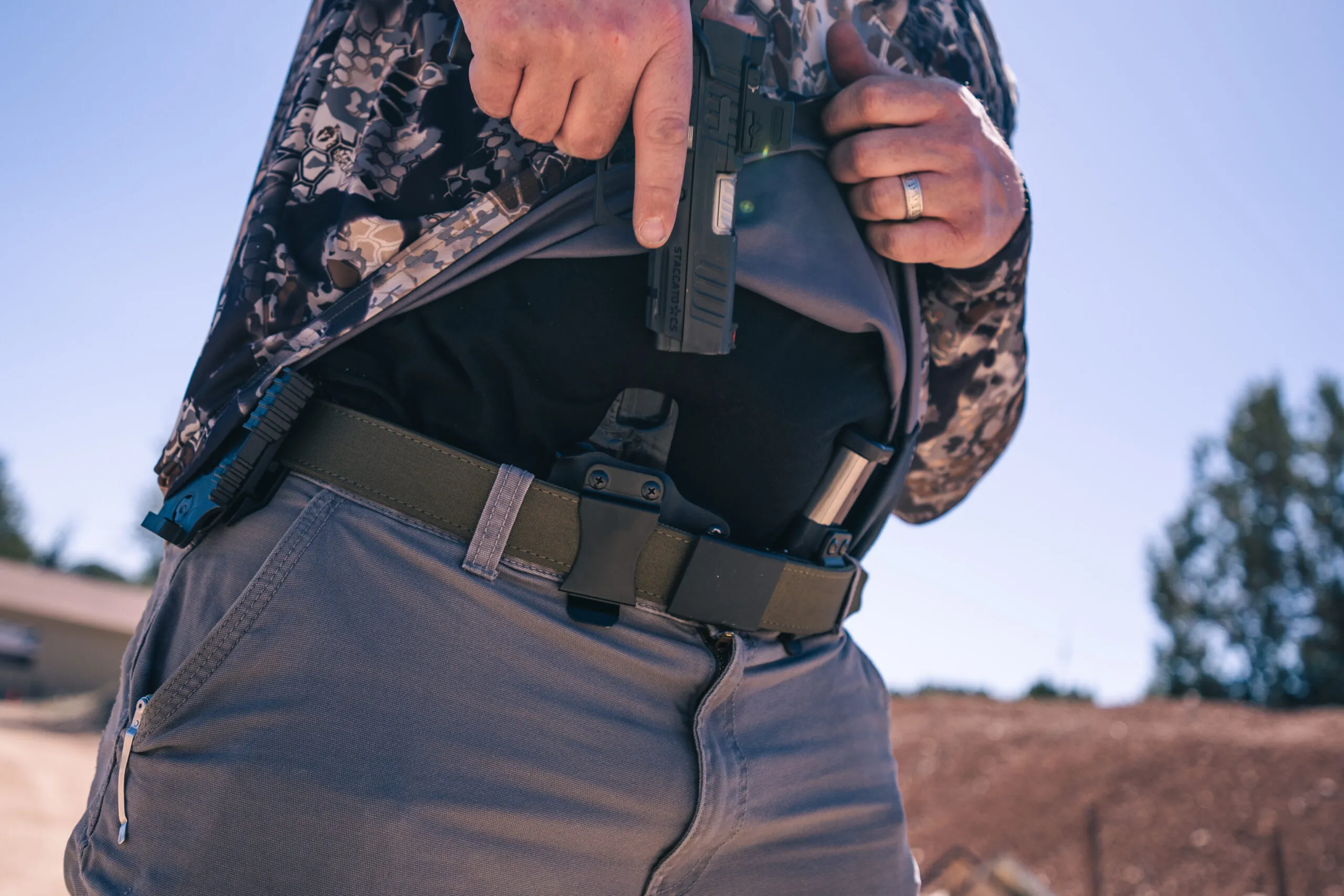

Selecting the right holster is crucial for anyone who carries a firearm, be it for personal defense, law enforcement, or competitive shooting. A holster not only keeps the firearm secure and accessible but also plays a significant role in the comfort and efficiency of firearm handling. Here are five critical factors to consider when selecting a holster for optimal performance:
1. Type of Holster
The choice of holster type is foundational in ensuring optimal performance. Holsters come in various styles, including inside-the-waistband (IWB), outside-the-waistband (OWB), shoulder, ankle, and pocket holsters. Each type serves different needs and scenarios:
- IWB holsters are preferred for concealed carry, as they offer a low profile. They fit inside the waistband of the pants, making the firearm less noticeable. For example, a Glock 43 holster designed for IWB carry would optimize concealment and accessibility.
- OWB holsters are more comfortable and easier to draw from, making them suitable for open carry, range use, or when wearing a jacket.
- Shoulder holsters are an excellent option for those who spend a lot of time sitting or driving, as they allow easy access while seated.
- Ankle holsters are designed for backup guns and are most useful for those who need to carry a secondary weapon.
- Pocket holsters are designed for small firearms and allow for discreet carry in a pant or jacket pocket.
2. Material
The material of the holster affects its durability, comfort, and firearm protection. Common materials include leather, nylon, and Kydex:
- Leather offers a traditional look and natural feel, adapting to the shape of the firearm and wearer over time. It requires regular maintenance to keep it in good condition.
- Nylon is lightweight and cost-effective, with the flexibility to fit various gun models. However, it might not offer the same level of weapon security and durability as other materials.
- Kydex is a hard plastic that is durable, water-resistant, and maintains its shape over time. It offers excellent weapon retention and allows for a consistent draw, but it may wear the finish of the firearm over time due to its rigidity.
3. Retention
Retention refers to how securely the holster holds the firearm. A good holster should balance security with ease of draw. There are several retention levels, ranging from simple friction fit to holsters with mechanical locking systems. For instance, Level I retention is typically sufficient for civilian carry, offering a balance between quick access and security. Law enforcement or military personnel might opt for Level II or III retention holsters, which provide additional security features to prevent an assailant from accessing the firearm.
4. Comfort and Concealment
Comfort is crucial, especially for those who carry for extended periods. A comfortable holster should not chafe or press uncomfortably against the body. The choice of holster material, type, and the position on the body can significantly affect comfort. Concealment is equally important for those who carry discreetly. The holster should keep the firearm out of sight without sacrificing accessibility. This is where the design and profile of the holster come into play, along with the wearer’s clothing.
5. Accessibility
A holster should allow for a quick and natural draw. This means the holster must be positioned in a place where the hand can easily reach and draw the firearm without awkward movements. The angle and height of the holster on the body, the ease of defeating any retention mechanisms, and the fit of the firearm in the holster all affect draw speed and efficiency. Regular practice with the holster can improve muscle memory and reduce the time it takes to draw the firearm in a critical situation.
Conclusion:
Selecting the right holster is a personal and critical decision that affects not just the comfort of carrying a firearm but also the efficiency and safety of its use. By carefully considering the type of holster, material, retention level, comfort and concealment, and accessibility, carriers can ensure they choose a holster that meets their needs and enhances their performance, whether for self-defense, duty carry, or competitive shooting. It’s also important to regularly train with the selected holster to maximize proficiency and response time in real-life scenarios.
