
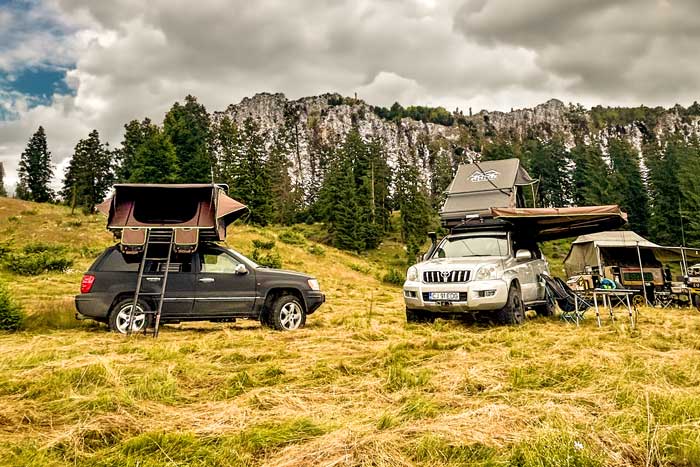

Key Takeaways
- Comprehensive planning and adaptable packing are vital for a comfortable, safe, and memorable overland experience with a rooftop tent.
- Brilliant gear selection, weather awareness, and minimalist organization transform roughing it into a joyful, practical adventure.
- Practicing responsible outdoor stewardship preserves wild places for future explorers and fosters respect across the overlanding community.
Why Choose a Roof-Top Tent for Overlanding?
Overlanding is all about self-reliant travel to remote destinations where the journey matters as much as the destination. For many travelers, choosing a rooftop tent adds a practical and comfortable element to the experience. Unlike ground tents, roof-top tents keep campers elevated, away from uneven terrain, moisture, and wildlife. They’re quick to set up and pack down, making them ideal for people covering a lot of ground or stopping at multiple sites. Understanding the benefits and limitations of different shelter options can help create a smoother, more enjoyable adventure for those preparing for their first overland trip.
Premium rooftop tents often appeal to overlanders because of their durability, weather resistance, and user-friendly design. They tend to be made with stronger materials, which is helpful for long-term use in changing climates. While they come at a higher cost, they can be a reliable part of an overlanding setup, especially when paired with a well-equipped vehicle. However, practicing setting up your gear and getting familiar with your tent before heading out is essential. Planning routes, checking weight limits, and testing gear in advance are all smart steps before your first journey into roof-top tent adventures.
Planning Your Route: The Foundation of Every Adventure
Routes make or break an overland journey. Prepare with precision by combining digital and print mapping tools—apps like Gaia GPS offer trails and overlays on cell coverage, weather, and water resources, crucial for longer trips or remote travel. Route planning should always include research on legal dispersal areas, public land access, possible road closures, and fuel stops if your adventure will take you into high country—research altitude sickness symptoms and plan gradual ascents for everyone’s comfort and safety.
Flexibility cannot be overstated. Travel with buffer days to accommodate detours or extra stops, share your route with companions, and assign a navigator to keep everyone involved. Crowdsource itinerary questions in online overlanding groups—they often provide first-hand warnings about rough sections, flooded roads, or hidden gems. Pre-determined check-ins, whether daily texts to loved ones or planned satellite calls, add a layer of security beyond just navigation.
Essential Gear Checklist for Comfort and Safety
Building a safe, comfortable mobile basecamp centers on a few essentials: a reliable sleeping system for warmth, comfort, and restfulness, a compact kitchen for nutritious meals, and tools for safety and vehicle recovery. Start with a plush sleeping bag suited to your climate and a compact, memory foam pillow or two. Thermal blankets, eye masks, and earplugs may seem small, but they can dramatically improve the quality of your sleep, especially near windy ridgelines or bustling trailheads.
- Water Filtration: Access to potable water can’t be gambled on, especially on Ron Emote or multi-day expeditions. Portable filtration systems, sterilizing pens, and backup tablets should always back up even the fullest water jugs.
- Recovery Tools: Going off-pavement? Always stash traction boards, a full-sized shovel, tow straps, and ideally an air compressor for tire re-inflation—these essentials can get you out of trouble and back on the road.
- Layered Clothing: Overland weather is unpredictable. Pack quick-drying, wicking base layers, a warm fleece or technical midlayer, a weatherproof shell, and insulating accessories like beanies and gloves.
- Emergency Supplies: Personalize your first-aid kit with medications and allergy treatments. Tuck in duct tape, zip ties, headlamps, spare bulbs, and a satellite beacon or PLB for added peace of mind.
- Lighting & Power: LED lanterns, string lights, and rechargeable batteries offer safe, steady camp illumination. Solar panels or charging bricks keep phones, GPS, and cameras functional off-grid.
Over time, you’ll hone your kit for your preferences and locations. Start with the essentials, then dial it in with experience—an approach that makes every new trip smoother than the last.
Understanding Weather and Terrain Challenges
Every overlander has a weather story, and successful adventurers have a plan for handling everything from heat to hail. Check multiple weather sources in the week leading up to your trip and as you travel. Roof-top tents provide a solid barrier against rain and wind, but the happiest campers bring extra lines for anchoring and ensure zippered flaps are tightly sealed. High winds? Orient the tent’s lowest profile to face the breeze for greater stability, and use all guy lines.
Terrain can be unpredictable. Steep climbs can challenge your vehicle, while muddy, rutted tracks may slow your progress or cause delays. A single tire blowout or an unexpected stream crossing can influence the trip. The advice is clear: a pre-trip inspection is essential, and it’s always wise to bring more food, water, and patience than you think you’ll need. These experiences highlight the importance of adaptability and preparation, which are just as crucial as any gear.
Simple Meal Planning for On-the-Go Campers
Food fuels the journey, and a little foresight makes it much easier to maintain energy and morale. Design meal plans around a small selection of base ingredients with interchangeable uses: tortillas, rice, beans, greens, cheese, and eggs provide maximum meal variation for minimal storage. Prep lunches as wraps or salads for quick stops, and batch-cook dinners that reheat well.
Staying hydrated is vital—pack double the expected amount of water whenever possible, and add instant drink mixes or electrolyte tablets for taste and energy boosts. Opt for nutrient-dense and non-perishable items like trail mix, jerky, and snack energy bars. Efficient meal planning liberates you from the pressure of daily shopping, keeps campsites tidy, and minimizes food waste—all keys to a stress-free adventure.
Packing Tips: Less Is More
Overland packing is all about order and access. Start by laying out everything you need, then cut that list by a third. Roll or fold clothes tightly in packing cubes by category and stackable bins for cookware or recovery gear. Bundle essential toiletries, electronics, and first-aid within arm’s reach, leaving niche equipment stowed for when needed.
Pack the heaviest or least-used gear low and deep for travel, and reserve the quickest access spots for wet-weather gear, snacks, and medical kits. As you gain experience, you’ll quickly see what gets used most and what’s just weighing you down—continually refine your list after every outing. Traveling lighter protects your vehicle, improves efficiency, and allows more relaxation and spontaneity at camp.
Leave No Trace: Respecting Nature and Fellow Adventurers
Every journey is a privilege, and responsible travel protects access for all. Stay committed to Leave No Trace principles by keeping wheels on established paths, setting up in previously-used clearings, packing out every scrap of garbage, and avoiding harmful soaps and chemicals in natural water sources. Leave the landscape just as you found it for the next explorer.
- Gather and remove all litter, including biodegradable food waste, to safeguard local wildlife.
- Build fires only in established rings, avoid collecting wood, and consider a portable fire pit for minimal impact.
- Observe animals quietly from a distance and respect the peace of nearby campers, especially after nightfall.
With each trip, these habits become second nature—an investment not just in the land but in a welcoming and thriving overlanding culture.
Real-Life Lessons from First-Time Overlanders
All adventurers learn by experience: forgotten rain gear, overstuffed duffels, misjudged weather, or frustrating setups are rites of passage. The best way to improve is to share stories—join forums, attend overlanding meetups, and swap packing lists for real-world feedback. Many realize that the simplest gear—well-worn boots, a trusted headlamp, or backup coffee for rainy mornings—makes the most significant difference.
Sharing small victories and laughs over misadventure builds confidence and encourages problem-solving, allowing you to enjoy the journey as much as the destination. Accepting that minor discomforts and surprises are part of the process leads to richer, more memorable experiences on and off the road.
Preparing for the Unexpected
A backup plan is the mark of a prepared overlander. Always communicate travel plans, routes, and expected arrival times with someone back home. Carry extra food, water, and batteries if weather, breakdowns, or trail blockages sideline you. Consider a personal emergency locator, especially for remote or high-risk areas, to ensure you’re always within reach of rescue.
Stay positive and embrace the twists and turns—sometimes the most unplanned moments become the highlight of your adventure. With careful planning, a willingness to adapt, and proven gear like a quality roof-top tent, you’ll be prepared for what you expect and whatever the journey brings.
