
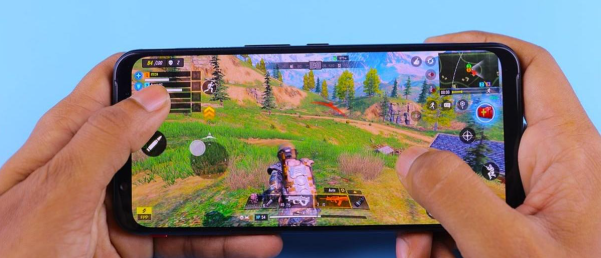

Avid gamers often feel pressure when playing interactive online games. Pressure does not necessarily appear on a screen. It affects your reflexes and decision-making skills. You feel it when the clock begins to count, when the game is tense and when you realise that one mistake can end your streak. In online shooting games, such pressure can be the difference between victory and failure.
The interesting aspect of this topic is that not all players are equally subject to competitive stress. Some perform better when the stakes rise. Others lose grip when forced to act faster than usual. Understanding how pressure influences player choices helps you improve reaction plus awareness in fast-paced matches.
How Competitive Pressure Shapes Player Decision-Making in Action Games
Let us begin with the basics. During high-stakes rounds in a gun game, it is common to switch weapons after each confirmed takedown. Each tier is a new challenge, and you need to be fast and tactical.
Now imagine you are on the ninth weapon. A step further, and you will be at the final stage. You find an enemy that comes in your path. You can engage or wait. That one moment becomes heavier than all previous rounds combined. Pressure kicks in. Your body tightens. Your screen awareness may shrink.
A lot of players commit errors here. They are in a hurry to look without angles. They miss shots that they would nail otherwise. The mistake does not stem from a skill standpoint; rather, it is the pressure that gets to the gamers. Their habit is disrupted when emotions are provoked.
How Game Design Amplifies Competitive Pressure?
Game mechanics in shooting games often amplify tension without you realising it. In-game features like match timers, lifeline alerts, streak callouts, weapon swaps and the list goes on, all create a psychological tempo. That rhythm can either guide or overwhelm you.
In a gun game, each strike will progress you in the game, and each timeout will delay that progress. The progression model builds urgency. Players’ muscle memory cannot perform well because they are not attentive to dynamic conditions. Players who observe movement patterns and anticipate shifts perform better because their minds stay ahead of their hands.
Personal Tendencies Shift Under Pressure
Most players act in different ways when they are under pressure. A peaceful and consistent player may begin rushing. A player who is aggressive may be overcautious. An aggressive player might become too cautious. Some players even forget basic control layouts once tension peaks.
To stay consistent, you must practise decision-making drills inside actual matches, not just training rooms. This helps your reflex system work together with your planning system.
Final Thoughts
The pressure is not your friend in fast-paced shooting games, particularly in Gun Game formats. It is your mirror that reflects your level of readiness to act when the situation becomes tense.
Some players fall under pressure. Others become or emerge because they trained their minds alongside their mechanics.
