
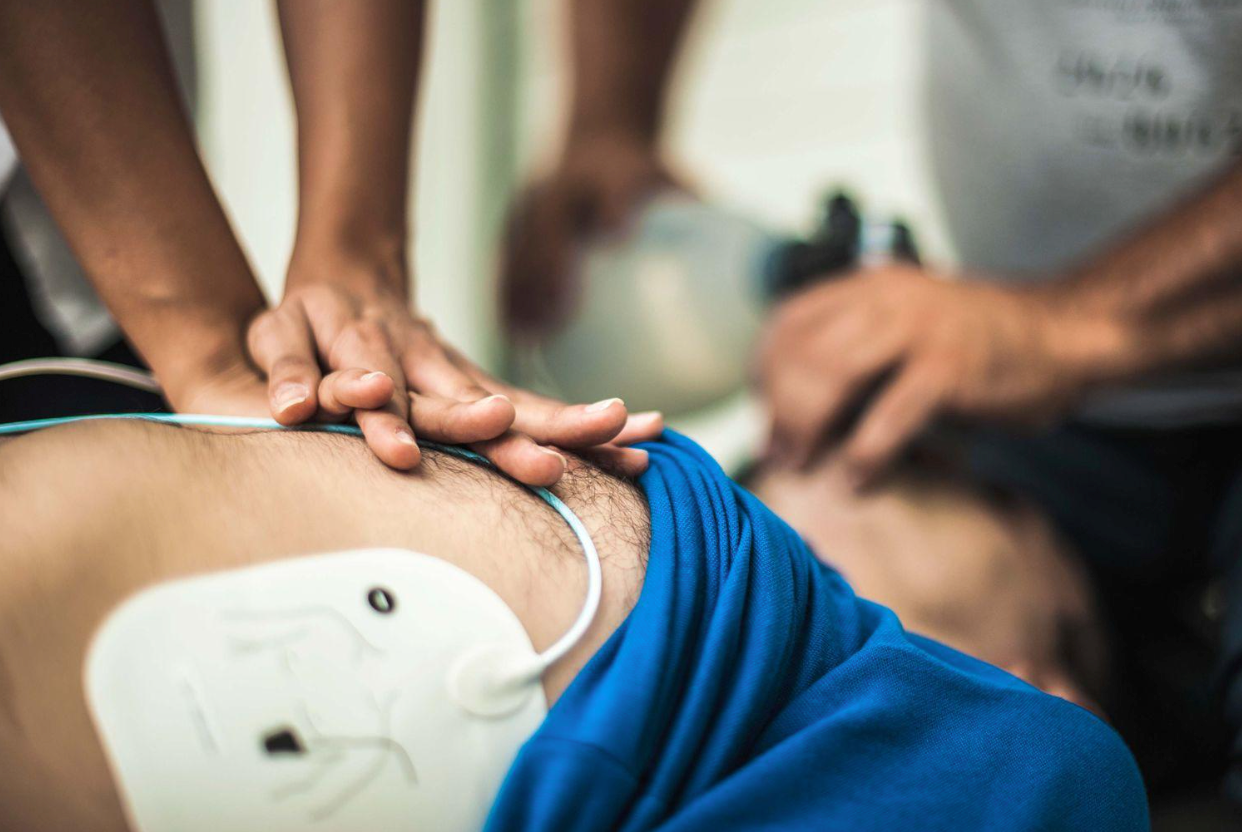

A heart attack, also known as a myocardial infarction, is a serious medical emergency that occurs when blood flow to the heart is blocked, depriving it of oxygen and nutrients. This sudden interruption in blood flow can have devastating consequences, leading to permanent damage to the heart muscle or even death. Through active sentences and seamless transitions, let’s delve into the complexities of heart attacks, from their causes and symptoms to strategies for prevention.
The Anatomy of a Heart Attack: Understanding the Mechanisms
A heart attack occurs when a coronary artery pwvip4d, which supplies oxygen-rich blood to the heart muscle, becomes blocked by a blood clot or plaque buildup. This blockage prevents blood from reaching a portion of the heart, causing that area of the muscle to be deprived of oxygen. Without prompt medical intervention, the affected heart tissue can become damaged or die, leading to a range of serious complications. Understanding the anatomical mechanisms behind a heart attack is crucial for recognizing its symptoms and seeking timely treatment .
Recognizing the Signs: Common Symptoms of a Heart Attack
The symptoms of a heart attack can vary widely from person to person, but common warning signs include chest pain or discomfort, shortness of breath, nausea, lightheadedness, and cold sweats. Transitions from subtle to severe symptoms can occur rapidly, with some individuals experiencing only mild discomfort while others may have intense pain. It is important to note that not all heart attacks present with dramatic symptoms, and some may be mistaken for less serious conditions. Therefore, it is essential to be vigilant and seek medical attention if you experience any unusual symptoms that could indicate a heart attack.
Risk Factors: Identifying Who Is at Risk
Certain factors can increase the risk of experiencing a heart attack, including age, family history, smoking, high blood pressure, high cholesterol, diabetes, obesity, and a sedentary lifestyle. Transitions from health to illness can occur gradually over time as these risk factors accumulate and contribute to the development of cardiovascular disease. Understanding your individual risk profile is key to preventing heart attacks and taking proactive steps to maintain heart health. Regular check-ups, lifestyle modifications, and adherence to medical advice can help mitigate these risk factors and reduce the likelihood of experiencing a heart attack.
Diagnosis and Treatment: Strategies for Saving Lives
Early diagnosis and treatment are critical for improving outcomes in patients who experience a heart attack. Transitions from uncertainty to action are swift as healthcare professionals conduct a series of tests, including electrocardiograms (ECGs), blood tests, and imaging studies, to confirm the diagnosis and assess the extent of damage to the heart. Once a heart attack is diagnosed, prompt treatment is initiated to restore blood flow to the heart muscle and minimize further damage. This may involve medications such as clot-busting drugs or angioplasty, a procedure to open blocked arteries and restore blood flow.
Recovery and Rehabilitation: Rebuilding After a Heart Attack
Recovering from a heart attack can be a challenging and often life-changing experience. Transitions from weakness to strength are gradual as patients undergo cardiac rehabilitation programs to regain strength, improve cardiovascular fitness, and reduce the risk of future heart attacks. These programs typically include supervised exercise sessions, education on heart-healthy lifestyle choices, and emotional support to help patients cope with the psychological impact of their cardiac event. With dedication and support, many patients are able to resume their normal activities and lead fulfilling lives after a heart attack.
Prevention: Strategies for Protecting Heart Health
While some risk factors for heart attacks, such as age and family history, cannot be changed, there are many lifestyle modifications that can significantly reduce the risk of developing cardiovascular disease. Transitions from vulnerability to resilience are evident as individuals adopt heart-healthy habits such as maintaining a balanced diet, engaging in regular physical activity, quitting smoking, managing stress, and monitoring blood pressure and cholesterol levels. By taking proactive steps to protect heart health, individuals can significantly reduce their risk of experiencing a heart attack and enjoy a longer, healthier life.
Empowering Hearts Through Knowledge and Action
a heart attack is a serious medical emergency that requires prompt recognition and treatment. Through active sentences and seamless transitions, this article has explored the causes, symptoms, diagnosis, treatment, and prevention of heart attacks, shedding light on the complexities of this life-threatening condition. By understanding the risk factors, recognizing the warning signs, and taking proactive steps to protect heart health, individuals can empower themselves to reduce their risk of experiencing a heart attack and live longer, healthier lives. Through education, awareness, and access to quality healthcare, we can work together to save lives and prevent heart attacks in our communities.
The Role of Education: Empowering Communities to Recognize and Respond
Education plays a vital role in empowering communities to recognize the signs of a heart attack and take appropriate action. Transitions from ignorance to awareness occur as public health campaigns and educational initiatives raise awareness about the importance of heart health and the symptoms of a heart attack. By teaching individuals how to recognize the warning signs and administer basic first aid, such as performing cardiopulmonary resuscitation (CPR), communities can become better equipped to respond effectively in the event of a cardiac emergency. Through knowledge and action, lives can be saved and the impact of heart attacks minimized.
Breaking Barriers to Access: Ensuring Equitable Care for All
Access to timely and appropriate medical care is essential for improving outcomes in patients who experience heart attacks. Transitions from disparity to equity are necessary as efforts are made to address barriers to healthcare access, such as geographic isolation, socioeconomic status, and lack of health insurance. By expanding access to emergency medical services, improving transportation networks, and providing financial assistance for medical expenses, communities can ensure that all individuals have the opportunity to receive life-saving treatment when they need it most. Through collaborative efforts between healthcare providers, policymakers, and community organizations, strides can be made towards achieving equitable care for all.
Harnessing Technology: Innovations in Heart Attack Management
Advancements in medical technology have revolutionized the diagnosis and treatment of heart attacks, leading to improved outcomes and survival rates. Transitions from outdated to state-of-the-art technology are evident as healthcare providers utilize advanced imaging techniques, such as cardiac MRI and CT angiography, to accurately diagnose heart attacks and assess cardiac function. Telemedicine and remote monitoring platforms also play a crucial role in delivering timely care to patients in remote or underserved areas, allowing them to receive expert consultation and intervention without the need for travel. By harnessing the power of technology, healthcare providers can enhance the quality of care for patients experiencing heart attacks and improve overall outcomes.
Community Support Networks: Building Resilience and Recovery
Community support networks play a vital role in helping individuals and families cope with the aftermath of a heart attack. Transitions from isolation to community support occur as patients and their loved ones receive emotional support, practical assistance, and access to resources to aid in their recovery. Support groups, counseling services, and peer mentoring programs offer invaluable support to individuals as they navigate the physical, emotional, and psychological challenges of life after a heart attack. By fostering a sense of belonging and connection, community support networks empower individuals to rebuild their lives and regain a sense of normalcy following a cardiac event.
Research and Innovation: Advancing the Fight Against Heart Disease
Ongoing research and innovation are essential for advancing our understanding of heart attacks and developing new strategies for prevention and treatment. Transitions from stagnation to progress occur as scientists and healthcare professionals explore novel approaches, such as gene therapy, stem cell therapy, and precision medicine, to target the underlying causes of heart disease and improve patient outcomes. Clinical trials and research studies provide valuable insights into the effectiveness of new treatments and interventions, paving the way for advancements in cardiac care and ultimately saving lives. By investing in research and fostering collaboration between academia, industry, and government, we can continue to make strides in the fight against heart disease and reduce the burden of heart attacks on individuals and society.
Working Together to Save Lives and Prevent Heart Attacks
heart attacks remain a significant public health challenge, but by working together, we can save lives and prevent heart attacks in our communities. Through active sentences and seamless transitions, this article has explored the multifaceted aspects of heart attacks, from their causes and symptoms to strategies for prevention, recognition, and treatment. By prioritizing education, breaking down barriers to access, harnessing technology, building resilient support networks, and investing in research and innovation, we can empower individuals, communities, and healthcare systems to effectively manage heart disease and improve cardiovascular health for all. With knowledge, awareness, and collective action, we can make significant strides towards a future free from the devastating impact of heart attacks.
