
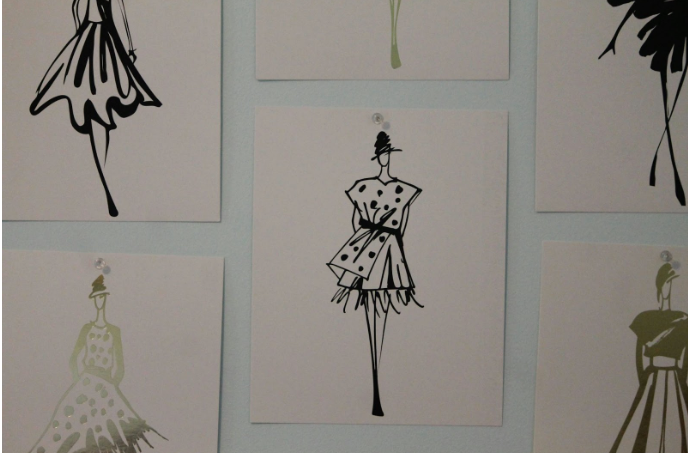

When you see a rack of garments, have you ever thought to yourself, “I can do better than that“? Or perhaps you’re carrying a creative design concept in mind that is dying to get out and wow the crowds.
Even in a saturated industry like the apparel one, with more than 178,366 clothing stores open in the U.S., starting your own clothing company can be a fulfilling journey for you if you have a strong sense of creativity and an enthusiasm for fashion. But how do you start? Keep on reading to learn how to piece all the necessary advice together and launch your clothing line!
1. Find Your Niche and Brand Identity
You don’t want to get lost in a sea of uniformity in the big ocean that is the fashion industry. Identify your unique selling proposition (USP) before you get started.
What distinguishes your clothing line? Do you pursue a particular market (athleisure, retro-inspired, or sustainable basics, for example)? Perhaps you have a specific target audience in mind, such as fashion-forward yet eco-aware millennials or working professionals looking for comfortable yet trendy work attire?
Upon determining your specialty, the next step is to establish a compelling brand identity. This covers your logo, brand name, and general look and feel. Assess the feelings you want your clothing to inspire in addition to the impression you want to leave on potential buyers. Bear in mind that your brand identity is the narrative and personality behind your company, not just your logo.
2. Embrace the Power of Apparel ERP Systems
Keeping an eye on inventory, manufacturing schedules, orders, finances, and other moving components is a big part of running a clothing business. An apparel ERP system can be your saving grace in such a scenario. Imagine software that brings together all of these features into a single, approachable platform—that’s an enterprise resource planning system for you.
- Product lifecycle management: Monitors the acquisition of materials, production phases, and quality assurance for a garment from design concept to final product.
- Bill of Materials (BOM): Enables accurate budget as well as manufacturing scheduling by keeping track of the various elements that go into a final garment.
- Size and fit management: Oversees various size variances and guarantees a uniform fit for all sizes.
- Compliance management: Makes sure your products correspond to ethical and safety production standards by keeping track of certifications and regulations that are pertinent to the apparel sector.
3. Design, Sample, Refine
Now for the exciting part: letting your creative juices flow! Don’t be afraid to get your hands dirty—or, rather, fabric-stained—and sketch out your ideas. You may also play around with more materials and colors than you usually do. To better see your vision before you and make sure it all ties together nicely, making a mood board is a fantastic idea.
As soon as you establish a solid design base, it’s time to start sampling. This entails making actual prototypes of your clothing, allowing you to check the materials’ quality, fine-tune the fit, and make sure your ideas work effecively when printed. It might be a touch-and-go kind of scenario at first but keep at it.

4. Plan Your Production Process
You now have flawless prototypes and stunning designs. So, how do you go about mass-producing them? You have a few choices here:
- Local manufacturing: Partnering with a local manufacturer enables close collaboration and quality control. For larger manufacturing runs, nevertheless, this method could turn out more costly.
- Production abroad: In larger quantities, manufacturing overseas may be more cost-effective. However, it might need more extensive examination and quality control measures due to the distance.
- Made-to-order or Print-on-demand: If you just picked up your pace, this is a terrific option for small-sized businesses. Print-on-demand or made-to-order services eliminate the need for you to keep a lot of inventory on hand up front.
5. Building Your Brand Online and Offline
Having a solid online presence is crucial in the current digital-first world we’re living in. To be competitive, do your best to make an eye-catching website that highlights your apparel collection and brand narrative. Leverage the power of social media platforms like TikTok and Instagram to engage with your target demographic, provide behind-the-scenes photos, and increase brand recognition.
Additionally, don’t undervalue the effectiveness of offline marketing. Take part in neighborhood fashion shows, partner with boutiques, or think about setting up pop-up stores to present your line and meet prospective clients face-to-face.
Wrapping Up
After all that you learned, are you ready to set out on this thrilling journey? With the help of the tips in this article, you can easily stitch your ideas into actionable plans and see your sketches come to life.
However, don’t forget that success won’t happen overnight; but dedication, vision, and creativity will make way for your ideas to flourish.
