
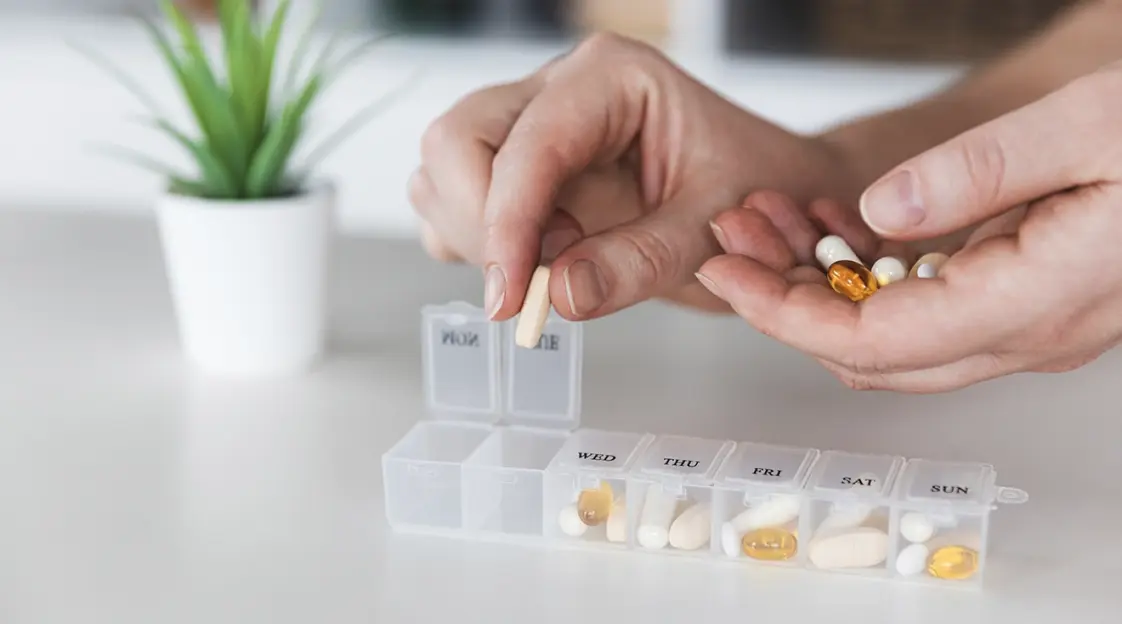

If you’re trying to conceive, there are several ways to boost fertility naturally. Supplementation can be helpful in addition to maintaining a healthy diet. Folic acid is well known for its role in reducing the risk of neural tube defects, but this L-arginine may also aid ovulation. Another key nutrient for fertility is chaste berry, which benefits women’s fertility by potentially regulating hormonal balance, promoting menstrual cycle regularity, and addressing certain reproductive health issues.
L-arginine
Supplements to support ovulation often contain essential nutrients such as L-arginine. This supplement promotes hormonal balance, regulates the menstrual cycle, and provides the necessary building blocks for healthy egg development, contributing to improved ovulatory function. L-arginine, an amino acid, has been investigated for its potential role in supporting women’s fertility through various mechanisms. First, L-arginine helps maintain normal blood flow, which may improve blood supply to the reproductive organs and consequently improve the reproductive system’s function as a whole. It also contributes to the synthesis of nitric oxide, a chemical that relaxes blood vessels and may create an environment more favorable for a successful conception.
L-arginine supplementation may improve endometrial function, enhancing uterine lining and potentially supporting embryo implantation. Furthermore, L-arginine’s ability to regulate hormonal balance, specifically insulin and insulin-like growth factor (IGF-1), may positively impact ovarian function and follicular development, contributing to improved fertility outcomes.
L-arginine is also involved in the production of cervical mucus, which is crucial for creating a sperm-friendly environment and facilitating sperm transport. As an antioxidant, L-arginine helps combat oxidative stress, protecting reproductive tissues from damage and potentially addressing fertility challenges.
Moreover, L-arginine may contribute to the relaxation of the uterine muscles, which can be beneficial during embryo implantation. However, individual responses to L-arginine supplementation can vary, and women should consult with healthcare professionals before incorporating it into their fertility regimen to ensure personalized and safe usage.
While promising, it’s essential to consider L-arginine as part of a holistic approach to fertility, encompassing a balanced diet, lifestyle factors, and any underlying medical considerations.
Folate
Folate, a B vitamin, is vital in supporting women’s fertility through various mechanisms. Firstly, adequate folate levels are essential for properly developing the fetal neural tube during early pregnancy, helping prevent neural tube defects in the developing fetus. Folate also contributes to the formation and maturation of red blood cells, promoting a healthy environment for conception by ensuring optimal oxygen transport to reproductive organs.
Furthermore, folate is crucial for DNA synthesis and repair and is pivotal in producing genetic material for developing eggs. This may affect eggs’ overall health and quality, impacting fertility outcomes. Folate is also involved in regulating homocysteine levels, and elevated homocysteine has been associated with fertility challenges, making folate an important factor in maintaining reproductive health.
Studies suggest that folate supplementation may improve ovarian function and enhance the success rates of fertility treatments. Folate’s antioxidant properties help combat oxidative stress, which can adversely affect reproductive tissues and contribute to fertility issues. Additionally, folate regulates hormonal balance, which is crucial for women’s menstrual cycle regularity and overall reproductive health.
Women of childbearing age need to ensure sufficient folate intake through diet or supplements, as its multifaceted roles in fertility underscore its significance for reproductive well-being. However, individuals should consult healthcare professionals for personalized advice on folate supplementation to ensure optimal fertility support.
Chaste berry
The chaste berry, also called Vitex agnus-castus, has been shown to have several potential mechanisms for promoting women’s fertility. Firstly, chaste berry is believed to impact hormonal balance by influencing the activity of the pituitary gland, thereby promoting regular menstrual cycles. This herb is often considered beneficial for conditions related to luteal phase defects, irregular periods, and premenstrual syndrome (PMS), which can impact fertility. Chaste berries may help regulate prolactin levels, a hormone that, when elevated, can interfere with ovulation and menstrual regularity. By modulating prolactin, chaste berry may contribute to improved fertility outcomes. Additionally, this herb is thought to exert anti-inflammatory and antioxidant effects, potentially protecting reproductive tissues and supporting overall reproductive health.
Studies suggest that chaste berry supplementation may enhance corpus luteum function, positively influencing progesterone production critical for maintaining a healthy uterine lining. Furthermore, its potential ability to normalize the menstrual cycle may increase the chances of successful conception.
While chaste berry is generally considered safe, women need to consult healthcare professionals before incorporating it into their fertility regimen, especially if they have existing medical conditions or are taking other medications. Incorporating chaste berries into a holistic approach to fertility, which includes a balanced diet and lifestyle considerations, may offer potential benefits for women seeking to optimize their reproductive health.
Green tea extract
Green tea extract has been studied for its potential benefits in supporting women’s fertility through several mechanisms. Firstly, the rich polyphenols, particularly catechins, in green tea are believed to possess antioxidant properties that may protect reproductive tissues from oxidative stress, potentially enhancing overall fertility. These antioxidants may contribute to improved egg quality by reducing cellular damage and supporting the health of developing oocytes. Green tea extract contains epigallocatechin gallate (EGCG), a polyphenol with anti-inflammatory properties that may positively impact reproductive health by creating a more favorable environment for conception. EGCG has been associated with regulating hormonal levels, potentially regulating the menstrual cycle and promoting regular ovulation.
Furthermore, women with PCOS, a disorder that can impair fertility, may benefit from green tea extract’s ability to increase insulin sensitivity. In addition to promoting better blood flow to the reproductive organs, green tea’s catechins may also help to maintain a healthier uterine environment for embryo implantation. According to certain research, green tea extract may lessen the chance of developing endometriosis, which can impede fertility.
However, individual responses can vary, and women should consult healthcare professionals before incorporating green tea extract into their fertility regimen, especially considering potential caffeine content.
Incorporating green tea extract into a holistic approach to fertility, including a well-balanced diet and lifestyle factors, may offer a complementary strategy for women seeking to optimize their reproductive health.
